Aardgasklep Drukregelaar Gasregulerende klep
LPG -drukregelaar Industriële gasdrukregelaar is een belangrijk apparaat om het veilig gebruik van gas te garanderen. Deze regulerende klep wordt v...
Zie details


Vraag een citaat aan
Confined space entry, industrial plant operation, and hazardous material handling all depend on early, reliable warning of dangerous gas concentrations. Gas Detection Equipment provides that warning by continuously monitoring air quality and triggering alarms before gas levels reach a threshold that puts personnel at risk. This article explains how detection technology works, what specifications matter during selection, and how facilities commonly get calibration and maintenance wrong.
Gas detection equipment refers to instruments designed to identify the presence and concentration of hazardous or combustible gases in an environment, then alert personnel through audible, visual, or vibration signals once concentrations exceed a defined threshold. Equipment ranges from single-gas portable monitors carried by an individual worker to multi-point fixed systems that continuously monitor an entire facility from central control points.
The core function across all formats is the same: convert a chemical or physical gas property into an electrical signal, compare that signal against a calibrated threshold, and initiate an alarm response when the threshold is crossed. The technology used to perform that conversion is what differentiates one detector type from another.
Different sensor technologies are suited to different gas types and concentration ranges. The four most common approaches are outlined below in the order a gas sample typically moves through a detection cycle.
Ambient air reaches the sensor element through diffusion or active pump sampling.
Electrochemical, catalytic, infrared, or photoionization elements generate a measurable electrical response.
Internal circuitry converts the raw signal into a calibrated gas concentration reading.
The reading is checked against configured low and high alarm thresholds.
Audible, visual, or vibration alerts activate if thresholds are exceeded.
Electrochemical sensors are most common for toxic gases such as carbon monoxide and hydrogen sulfide, reacting with the target gas to produce a proportional electrical current. Catalytic bead sensors are widely used for combustible gas detection, measuring heat generated by controlled combustion at the sensor surface. Infrared sensors detect gas by measuring absorption at specific light wavelengths, useful for carbon dioxide and hydrocarbon gases, while photoionization detectors identify a broad range of volatile organic compounds by measuring ionization energy.
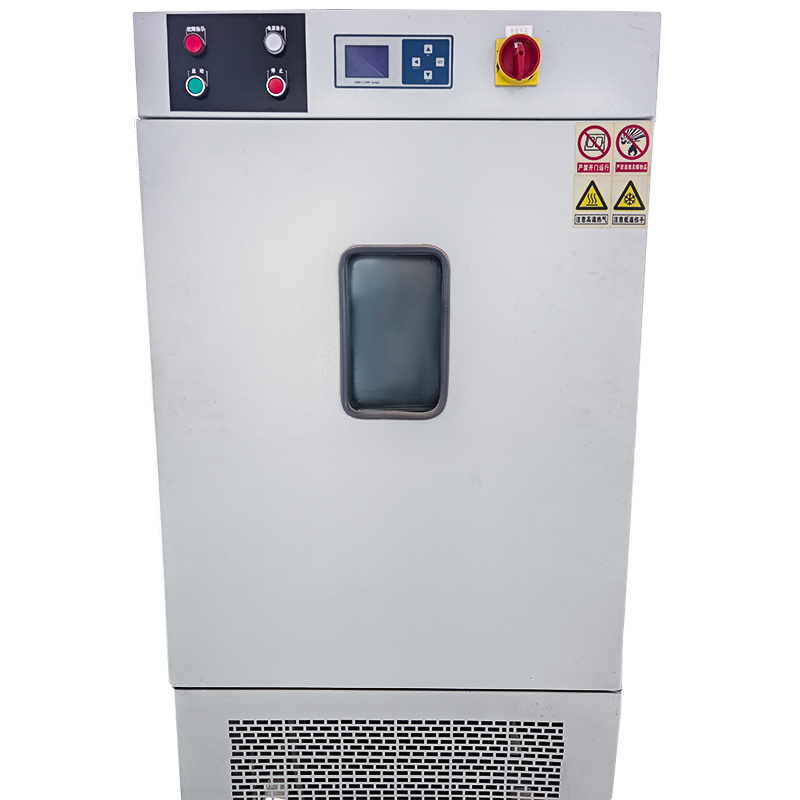
| Detection Range | Typically 0–100% LEL for combustibles, ppm range for toxic gases |
| Response Time (T90) | Under 30 seconds for most electrochemical and catalytic sensors |
| Sensor Service Life | 1–3 years depending on sensor type and exposure conditions |
| Alarm Configuration | Configurable low and high threshold stages |
| Ingress Protection | IP65 or higher for industrial and outdoor use |
| Certification | Intrinsically safe ratings for use in hazardous locations |
| Factor | Portable Detector | Fixed System |
| Coverage | Follows individual worker | Monitors a defined zone continuously |
| Typical Use | Confined space entry, mobile tasks | Process areas, storage zones, control rooms |
| Power Source | Rechargeable battery | Hardwired or loop-powered |
| Data Output | Local display, sometimes logged for review | Central control system integration |
Fixed detectors should be positioned based on the physical properties of the target gas, since lighter-than-air gases require sensor placement higher in a space while heavier gases require placement closer to floor level. Calibration schedules should follow manufacturer-specified intervals, typically involving exposure to a known concentration of target gas to verify sensor accuracy. Bump testing, a quicker functional check confirming the sensor and alarm respond to gas exposure, is generally recommended before each use of a portable unit, separate from full calibration performed on a periodic schedule.
Connected gas detection extends traditional local alarms with wireless data transmission, allowing readings from portable and fixed units to reach a central monitoring point in real time. This supports faster emergency response, since a supervisor can see which unit triggered an alarm and its location rather than relying solely on the alarm being heard nearby. Connected systems also support automatic logging of exposure events and calibration history, which simplifies compliance recordkeeping for facilities managing a large number of detection units across multiple sites.
Sensor miniaturization continues to expand the number of gases a single portable unit can monitor without a significant increase in size or weight. Wireless connectivity is becoming a standard feature rather than a premium option, reflecting growing demand for centralized visibility across dispersed work sites. There is also increasing attention to sensor longevity, with manufacturers extending rated service life to reduce replacement frequency and lower long-term operating cost for facilities running large detector fleets.
Selecting the right Gas Detection Equipment depends on matching sensor technology, response time, and certification requirements to the specific gases and physical conditions present at a site. Consistent bump testing, correctly scheduled calibration, and attention to sensor service life determine whether a detection program performs reliably when it matters most.
Start by identifying the specific gases present, then match sensor type, detection range, and certification requirements to those gases and the physical environment they occur in.
A well-rounded program typically includes portable multi-gas monitors for confined space entry, fixed area monitors for continuous zones, calibration gas kits, and a bump test station.
Bump testing is a quick functional check confirming the sensor and alarm respond to gas exposure, while calibration adjusts the sensor's accuracy against a known gas concentration on a scheduled interval.
Calibration frequency depends on manufacturer specification and sensor exposure conditions, though most industrial programs calibrate on a monthly to quarterly schedule.
Catalytic bead sensors are most commonly used for combustible gas detection, measuring heat generated by controlled combustion at the sensor surface.
It transmits alarm and location data to a central monitoring point in real time, allowing faster emergency response and centralized tracking of exposure events across a site.
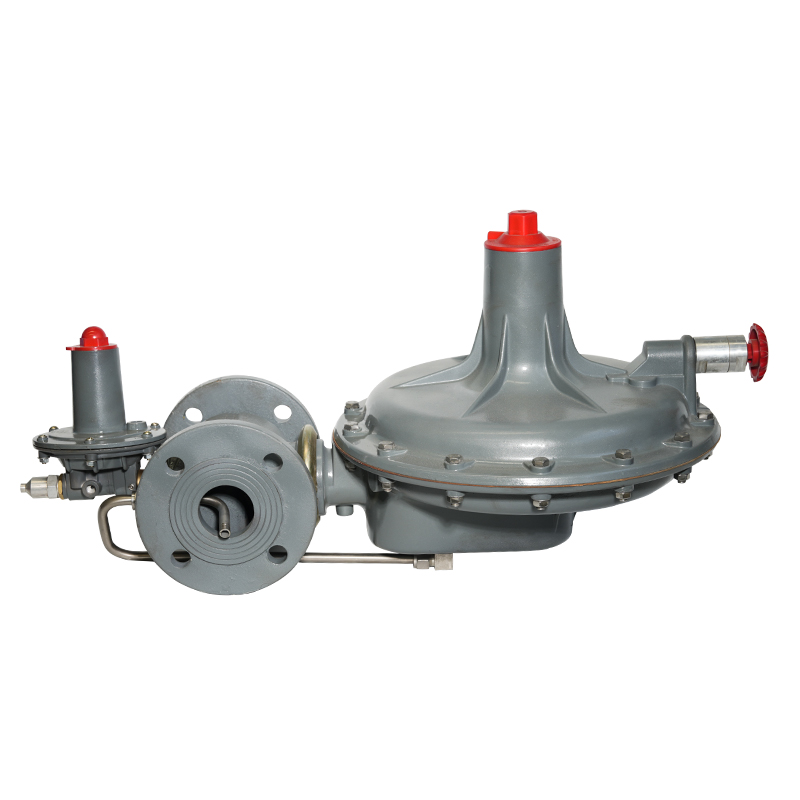
LPG -drukregelaar Industriële gasdrukregelaar is een belangrijk apparaat om het veilig gebruik van gas te garanderen. Deze regulerende klep wordt v...
Zie details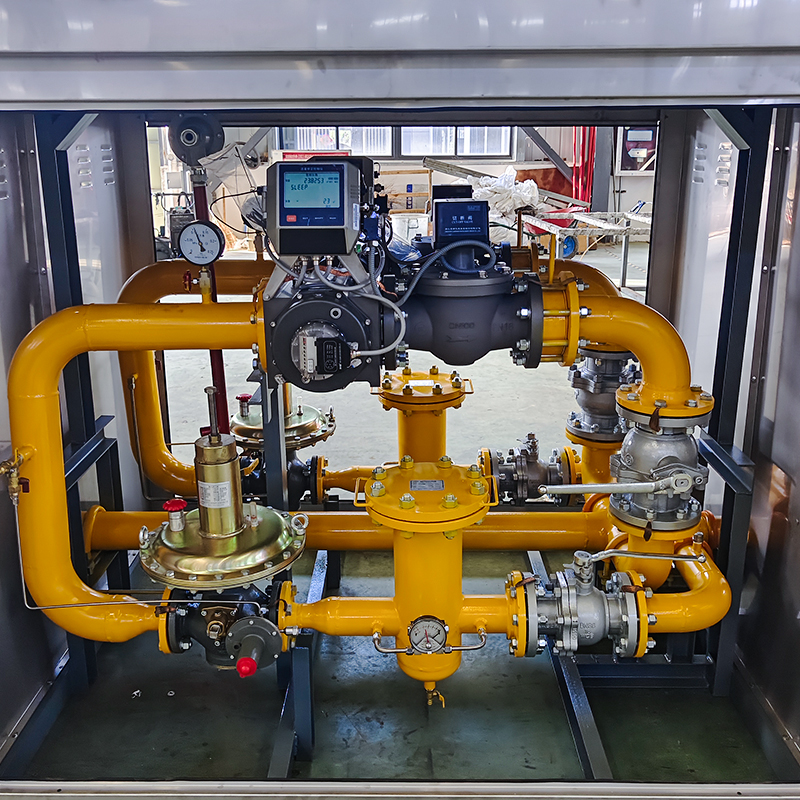
De aardgasdrukregulerende apparaatdoos en de gasdrukregulerende kast zijn belangrijke apparatuur in het gastransmissiesysteem, die voornamelijk wor...
Zie details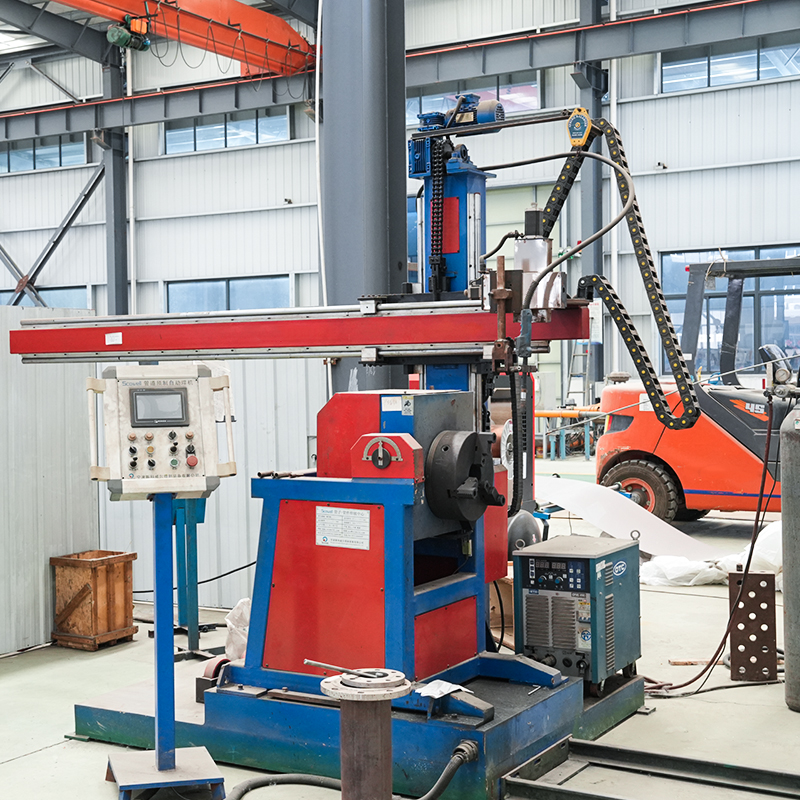
De volledig automatische afgeschermde lasmachine van gas is een automatische lasapparatuur op basis van geavanceerde besturingstechnologie. Het com...
Zie details
Het bedrijf is een fabrikant die gespecialiseerd is in gastransport- en +distributieapparatuur en gasdrukregelaars. Het is een professionele fabrikant die onderzoek en ontwikkeling, ontwerp, productie, marketing en after-sales integreert service van gasapparatuur.
Telefoon: +86 138-5131-2088
Tel: +86 0515-83918669
E -mail: [email protected]
Toevoegen: Nr. 13, Yongchuang Road, Dazhong Industrial Park, Dafeng District, Yancheng City, Provincie Jiangsu, China
Copyright © Jiangsu Changrun Intelligent Gas Equipment Co., Ltd All Rights Reserved.
Aangepaste slimme gasdrukregelaars fabrikanten, leveranciers
 Login
Login
Neem contact met ons op